Discover hospitality trends disrupting travel today, such as smart technology, sustainability, robot employees, and entertainment tourism. This blog looks into solutions such as keyless entry, chatbots, and virtual reality tours that make a guest experience more comfortable while making operations more efficient. Featuring smart, sustainable, and custom solutions and brand experiences aboard, it demonstrates how accommodation is revolutionizing to fulfill guests’ expectations. Stay competitive in this dynamic industry by adopting these strategies to improve guest satisfaction and foster long-lasting relationships.

The hospitality industry is becoming more dynamic. It is being driven by changing consumer expectations and technological improvements. These hospitality trends are crucial for hoteliers to remain competitive. They also need to deliver great guest experiences that keep them returning for more.
The growing market size of the industry presents both challenges and opportunities. Hoteliers need to respond to the development of smart technologies, sustainable programs, and changing customer expectations. This blog focuses on the top hospitality industry trends dominating travel today. We also provide insights to help you navigate this dynamic environment.
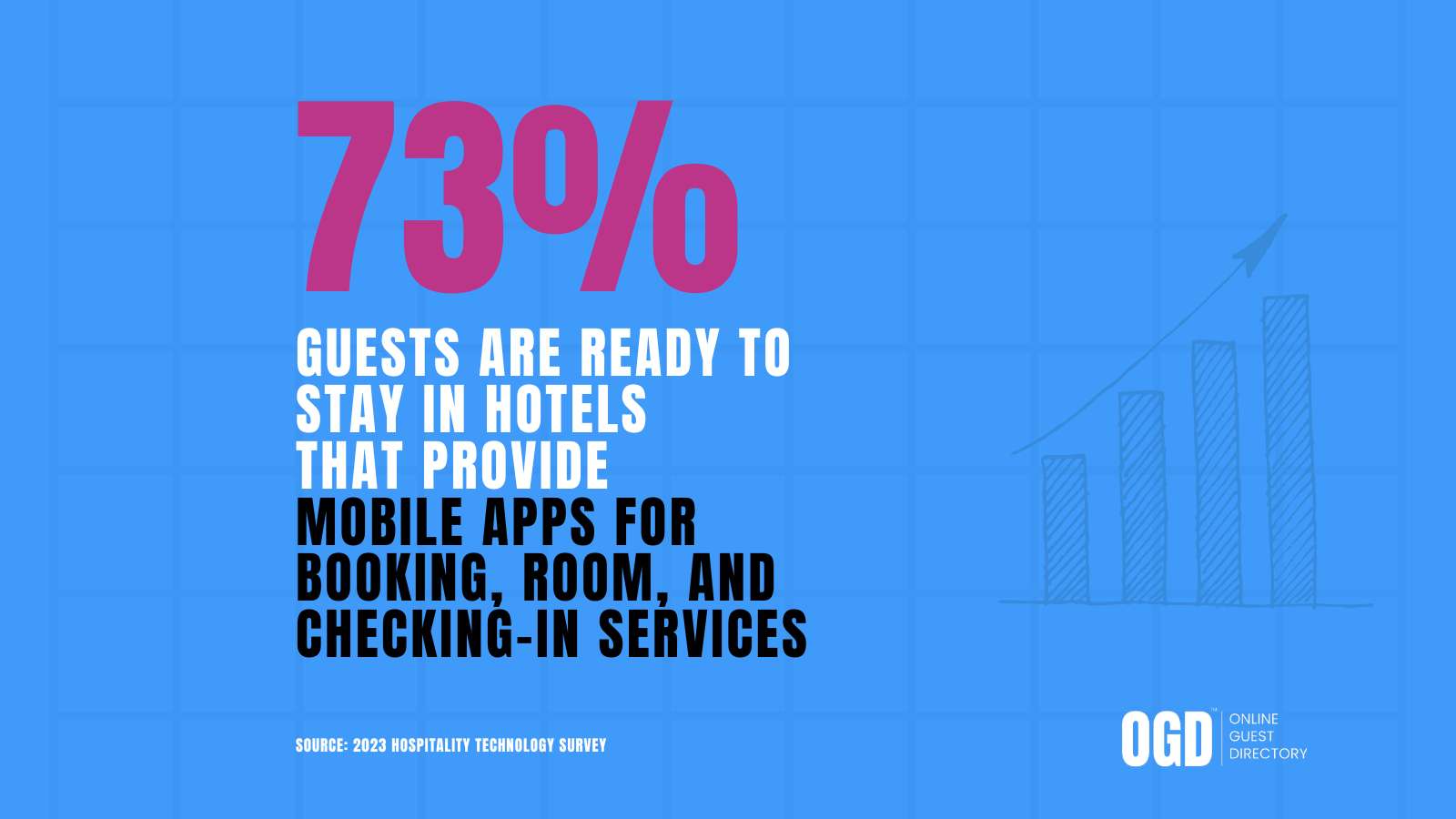
Technology as a tool is reinventing hotel systems. It is also changing the relations between hotel facilities and their visitors. A 2023 survey of Hospitality Technology shows that 73% of guests are ready to stay in hotels that provide mobile apps for booking, room, and checking-in services.
 Key Implementations
Keyless Entry: Mobile keys allow guests to open the door of their room using a smartphone, adding to increased convenience and security. This streamlines the check-in process and reduces the frequency of lost keys or unauthorized access.
Smart Thermostats: These systems enable guests to set their preferred comfort level in a room using their devices. Second, hotels can also avoid hefty operational costs by optimizing energy use—a win-win for both parties.
Chatbots and AI: Hotels are currently using chatbots to engage customers with the inquiries they need in real time. This technology can provide guests with support and assistance, particularly when it is done around the clock. This way, your employees will be free to handle other matters, increasing productivity.
With technological advancements, operational performance is also advancing and improving guest experiences. Many guests enjoy the customized aspect of their devices. And many others find that such technologies make their stay luxurious and convenient.
"Technology in hospitality is not just about efficiency. It’s about creating memorable experiences that resonate with guests long after they leave." – Sarah F. McMahon, Hospitality Technology Expert.
Today, a sustainable stay has become an essential consideration for travelers. According to a Booking.com survey conducted in 2023, as many as 76% of the world’s travelers are willing to select an environmentally friendly property.
Energy Efficiency: You can cut your hotel's carbon footprint by following certain measures, such as solar energy for lighting, energy-efficient lighting gadgets, and managing energy usage.
Water Conservation: Using water-saving facilities is beneficial for conserving water services and hotels. With the increase in the possibility of water conservation in hotels, it is always a great idea to take the initiative and lead by example.
Waste Reduction: Extensive recycling policies and initiatives and minimizing single-use plastics are good strategies. These appeal to environmentalists as well. Many hotels are also embracing composting initiatives, further reducing their environmental impact.
Sustainable Sourcing: Several hotels are procuring locally grown foods and other products. This helps the local economy and reduces transportation emissions. It is effective for the environment and creates higher quality and fresher options for guests.
Observing contemporary trends in the hospitality industry, like taking environmental responsibility while traveling, is the new trend. This is true, especially for younger generations. Concern for the environment helps gain travelers' loyalty since they prefer hotels with similar ideals.
Robot applications in the hospitality industry are increasing annually. With the ever-increasing technological advancements, robot staff are becoming the norm. These innovative solutions aid in simplifying hotel operations and add value to guests.
Concierge Robots: The robots help deliver information and address guest concerns, improving service quality. For example, the Hilton Hotel chain has recently introduced a robot called Connie as the hotel’s concierge. It could help guests with location information within Hilton and nearby attractions.
Room Service Delivery: Many hotels employ robots to deliver food and other amenities within the rooms, thus minimizing human contact. Several guests prefer this, giving your hotel staff more productive time.
Cleaning Robots: Cleaning robots are another popular trend that several industries take advantage of! You can use them to clean public areas and guest rooms. This ensures high hygiene standards and saves human energy.
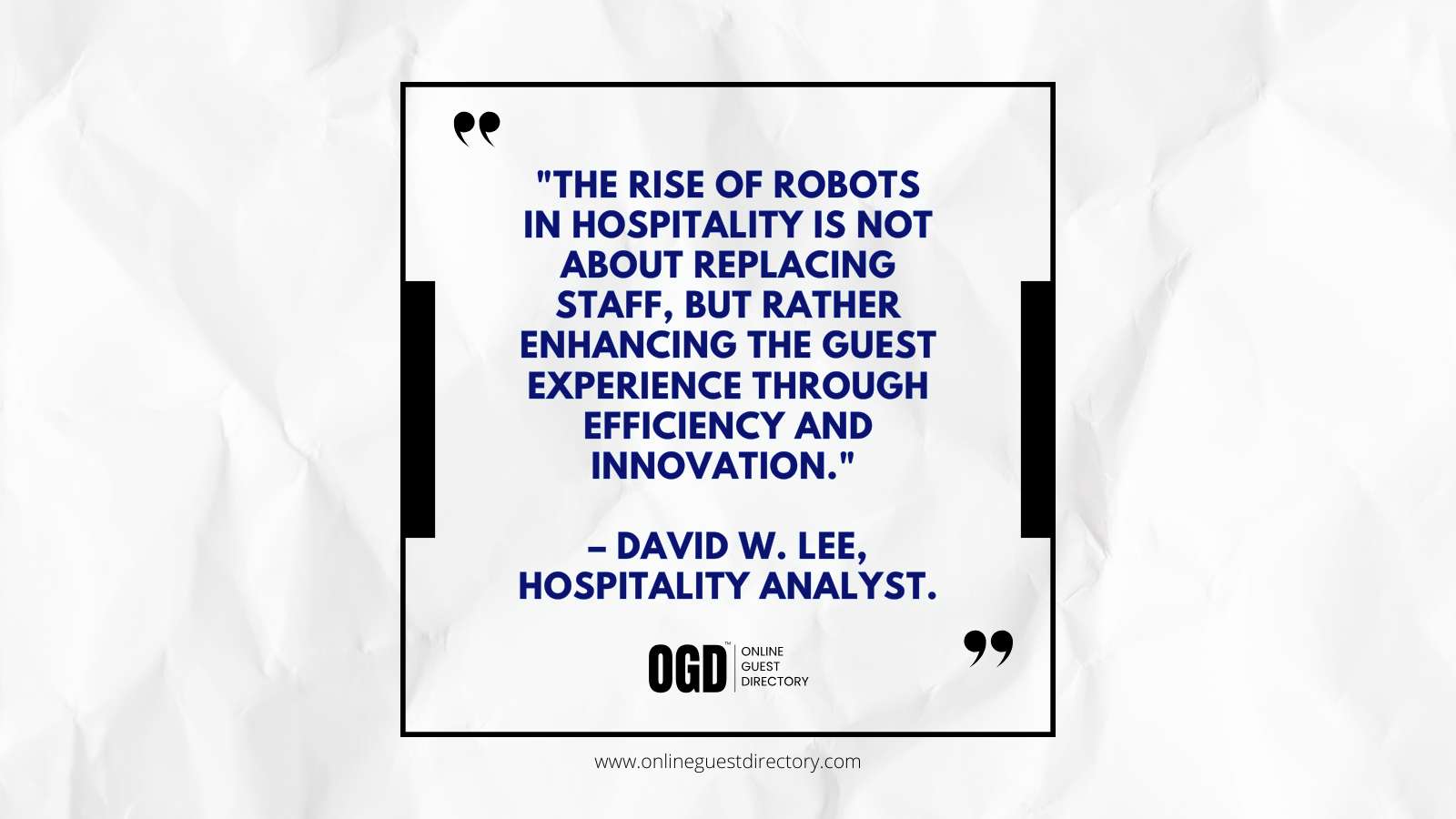
Robots can handle repetitive tasks, freeing human staff for more guest-centric duties. This integration of technology and human touch helps enhance operations and guest experiences.
According to reports, the global VR and AR market in global tourism is likely to hit $9.6 billion by 2025. This growth highlights the potential for hotels to create compelling marketing strategies.
Virtual Reality (VR) and Augmented Reality (AR) influence how hotels market and interact with consumers. These technologies provide immersive experiences that can help travelers visualize their stay.
Virtual Tours: Hotels can use virtual tours, which provide pictures of the rooms and hotel facilities and the opportunity to tour the hotel. This assists guests in deciding which hotel to book. Thereby improving hotel bookings' high conversion rates.
AR Experiences: A few hotels integrate AR into their services. They provide interactive maps or historical information about the location through mobile devices. For example, guests can point their smartphones at landmarks and receive detailed information.
Training and Development: Hotels also use VR in training. In a virtual environment, employees perform different tasks while being exposed to different circumstances. This may increase their readiness for similar real-life scenarios and improve service delivery.
People traveling today do not want regular meals, accommodations, or other basic services. Instead, hotels are focusing on creating distinctive brand experiences that may suit guests.
Local Culture Integration: Incorporating local art, cuisine, and traditions into your guest experiences creates a sense of authenticity. For instance, you may engage artists or host a cultural show to showcase local traditions.
Themed Rooms and Packages: Ensure there is something for everybody! Create packages catering to diverse preferences - be it a romantic getaway couple or adventure lovers.
Collaboration with Local Businesses: Another way to improve guests’ stay is to establish associations with other businesses. These could offer local attractions, services, products, or guest experiences.
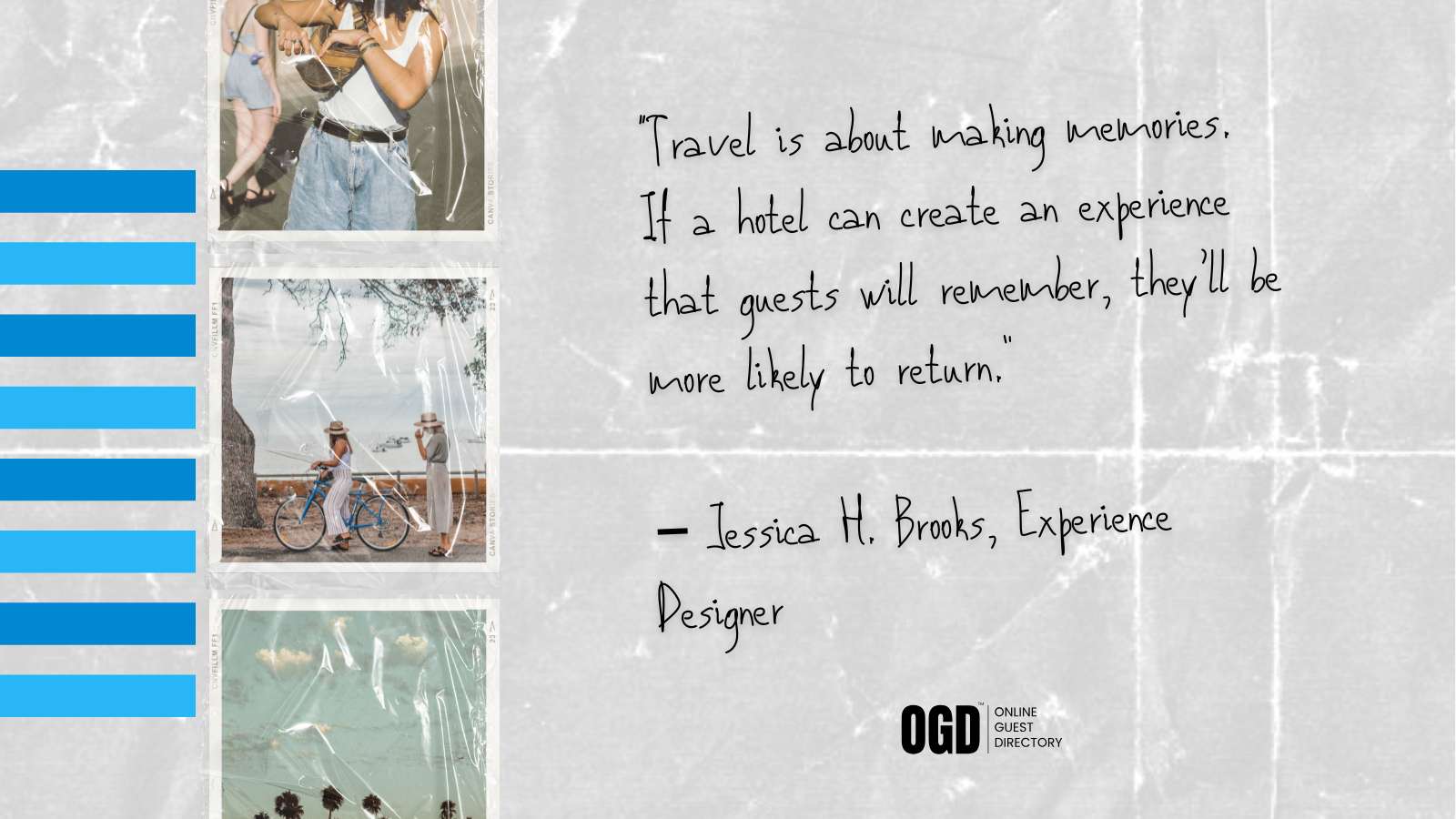
Focus on unique brand experiences to create deeper emotional connections with your guests. The experience always works as a positive word-of-mouth recommendation and certainly repeat business.
The global entertainment tourism market is growing, which emphasizes the importance of integrating entertainment into the overall travel experience.
Entertainment tourism, in which tourists aim to have entertainment experiences, is on the rise. Many hotels today appeal to this segment. Offering entertainment and other hotel services can attract a growing segment of travelers.
Live Events and Performance: Hotels host live music, comedy shows, and theme sporting activities to create a lively and vibrant atmosphere. Other qualities, such as the place of location, matter as well. For instance, the MGM Grand Hotel in Las Vegas features celebrity performances to attract guests seeking entertainment.
Partnerships with Local Attractions: Local attractions or entertainment centers may offer special discounts to hotel guests. For instance, a hotel near a theme park will provide tickets at a discounted price, which is a plus for families.
On-site Activities: You can offer guests on-site entertainment options, such as movie nights, game rooms, or fitness classes. These help create a lively environment that keeps them engaged.
Today, luxury travel is changing for the better. Clients are opting for luxury travel that offers them personalized services. Many hotels are going upscale with services and amenities. This is making luxury accommodations and traditional hotels hard to differentiate.
Personalized Services: High-end hotels offer tailored experiences, such as personal concierges and bespoke itineraries. This level of service enables guests to receive the services they desire, enhancing their experiences.
Luxury Amenities: From high-end spas to gourmet dining options, hotels enhance offerings to attract luxury travelers. A focus on wellness amenities, such as yoga classes and spa treatments, is also becoming popular among upscale guests.
Exclusivity: You can provide limited opportunities for access to certain services or products. These could be private dining or group tours to add a touch of exclusivity and the luxury factor.
Hotels that achieve the right balance of luxury and personal service can enhance their brand reputation. This way, you're targeting and winning over high-value audiences at the same time. Since luxury travel consumers are willing to spend on memorable and distinctive experiences, you need to catch up with these shifting preferences.
In a world where guests can access endless choices, personalized service has become paramount. Consumers today expect some form of personalization and customization from brands. Prioritizing personalized experiences helps build loyalty and stand out in a competitive market.
Guest Profiles: You can use valuable guest details like preferences or past orders to create personalized experiences. These include welcome amenities or tailored recommendations, which can enhance guest satisfaction.
Feedback Mechanisms: You can ask for guest feedback and incorporate them into improving service delivery. This helps create a culture of continuous improvement.
One such example of hotel technology improving guest experience is the Online Guest Directory. Think of it as your hotel’s information hub, a personal concierge for guests - using technology to simplify their stays and render more personalized guest experiences. Not to forget, it provides additional support to your staff in hotel operations and improves productivity.
The hospitality industry is dynamic because of enhanced technologies and customer demands. These hotel industry trends offer opportunities to improve guest satisfaction and efficiency and build lasting relationships. The principles remain the same regardless of the type of offering. From smart technology integration to sustainability policy or unique services, you need to adapt to the environment.
By doing so, you can meet current and future consumers' needs and stand out as a unique brand among the currently available hotel brands. For hoteliers, the path of change and innovation has started to bring satisfaction to guests.

 4
4
These Cookies are strictly necessary to provide you with services available through our websites and to use some of its features, such as access to secure areas and to book accommodations.
These Cookies are used to enhance the performance and functionality of our websites but are non-essential to their use. However, without these Cookies, certain functionality (like videos) may become unavailable.
6
These Cookies collect information that is used either in aggregate form to help us understand how our websites are being used or how effective our marketing campaigns are, or to help us customize our websites for you.
2
These Cookies are used to make advertising messages more relevant to you. They perform functions like preventing the same ad from continuously reappearing, ensuring that ads are properly displayed for advertisers, and in some cases selecting advertisements that are based on your interests.
2
These Cookies are used to enable you to share pages and content that you find interesting on our websites through third-party social networking and other websites. These Cookies may also be used for advertising purposes, too.
What Are Cookies?
Cookies are small data files that are placed on your computer or mobile device when you visit a website. Cookies are widely used by website owners in order to make their websites work, or to work more efficiently, as well as to provide reporting information.
Cookies set by the website owner are called “first party cookies.” cookies set by parties other than the website owner are called “third party cookies.” Third party Cookies enable third party features or functionality to be provided on or through the website (e.g. like advertising, interactive content, analytics, etc….). The parties that set these third party Cookies can recognize your computer both when it visits the website in question and also when it visits certain other websites.
Why Do We Use Cookies?
We use first and third party Cookies for several reasons. Some Cookies are required for technical reasons in order for our websites to operate, and we refer to these as “strictly essential” or "strictly necessary” Cookies. Other Cookies also enable us to track and target the interests of our users to enhance the experience on our website. Third parties serve Cookies through our website for advertising, analytics, and other purposes.
The law states that we can store cookies on your device without prior consent for strictly essential or strictly necessary cookies. For all other types of cookies we need your permission. You can at any time accept, reject, or change the cookie settings on this website at any time by clicking on the cookie settings link.
 Related Blogs
.png "Streamline Hotel Operations - 5 Ways a Digital Guest Directory Can Help")